ETHICAL EATING

There has been much discussion lately about eating ethics - the impact your food choices have on the planet. Consider the following scenarios:

• How many food miles has a fruit or vegetable travelled? When lemons are out of season, chances are high that they have travelled over 10,000 kilometres (from California). That’s a lot of carbon emissions….
• Was a rainforest cleared to plant a coffee plantation that produces the coffee you’re drinking, and were the coffee beans farmed by slave labour?
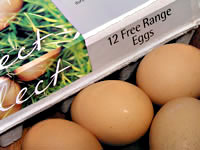
• Is the egg you’re eating from a free-range or battery hen chicken? Battery hens in Australia are housed in tiny overcrowded spaces and they can’t exercise, peck for food and can barely stretch their wings…

Thinking about and being informed about the food you buy and eat gives you the opportunity make conscious choices. How can you do your bit to help save the planet from global warming, show compassion for factory-farmed livestock or assist third-world workers? Here are some suggested actions you can take that will make a difference:

• Choose local – the less food miles (the distance food travels from source to plate), the less greenhouse gases. The added bonus of choosing local is that the food will be fresher, and consequently taste better and provide more nutrients. Ask your greengrocer where the food’s origin is.
• Buy seasonal. Seasonal foods don’t travel great distances, plus they are at their optimum. Check the “what’s in season” guide in this newsletter or visit a website such as http://www.marketfresh.com.au/produce_guide/seasons.asp.
• Buy fair-trade coffee and chocolate. Some coffee farmers receive as little as 3 cents from a $3 cup of coffee – Fairtrade ensures they receive a competitive rate for their beans.
• Avoid processed foods - the more processed or refined a food is, the more energy and water is used to make it.
• Avoid unnecessary packaging, such as individually packaged sweets and biscuits and vegetables sold on trays. Bottled water is one of the worst offenders.
• Avoid fish that is farmed, imported or endangered. Find a reputable fishmonger and ask these questions before making your choice.
• Seek organic alternatives where possible. Organic farming does not use synthetic chemicals and focuses on the health of the soil, promotes biodiversity and encourages wildlife.


• Visit farmer’s markets - buying direct from the farmer or producer means that the middleman is cut out, and food is likely to be ultra-fresh and seasonal.
• Buy free range eggs and chickens. Battery cages will be banned in the European Union in 2012. If enough people refuse to buy battery hen eggs and chickens in Australia, we will likely follow their example.